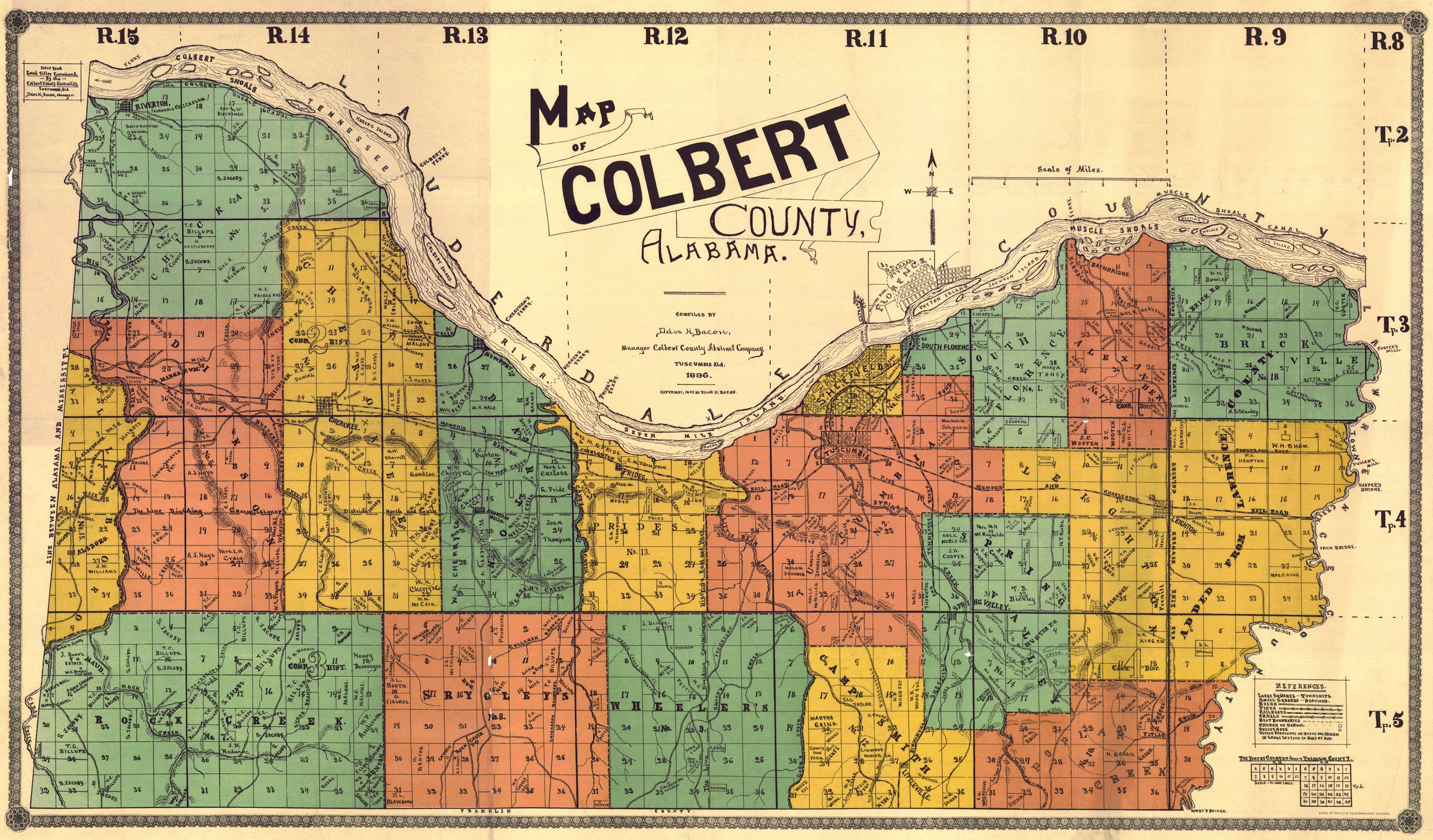
Map of Colbert County, Alabama, Delos H. Bacon, 1896. Chicago: Rand McNally & Co. Original source: Geological Survey of Alabama. Digital image courtesy of the University of Alabama Historical Maps of Alabama collection.
Shaped by the River
If you want to understand Colbert County, start with the river.
Long before there was a Colbert County, there was the Tennessee River. Native people lived, traveled, hunted, traded, and built communities along it for generations before Europeans arrived. Then came traders, ferrymen, settlers, soldiers, railroad builders, factory workers, musicians, and generations of local families. Again and again, the river shaped what happened here.
The stretch called Muscle Shoals was never an ordinary piece of water. Across roughly thirty-seven miles, the Tennessee dropped about 130 feet through shoals, rocks, rapids, islands, and narrow channels. That made travel difficult enough that the problem helped shape the development of the entire region.
People kept trying to solve it. Ferries crossed the river. Roads led toward it. Railroads carried passengers and freight around it. Canal builders and engineers came back to the shoals again and again with new plans.
That stubborn stretch of river helped determine where towns grew, where transportation routes ran, where industry settled, and eventually where one of the largest engineering projects in the Tennessee Valley would rise.
You can still see those layers of history all across Colbert County.
A Crossroads Before the County
Colbert County did not exist yet, but the places that would become its towns were already taking shape early in the nineteenth century. The county name reaches back to Chickasaw leaders George and Levi Colbert, figures closely associated with travel, commerce, ferries, and the Tennessee River country.
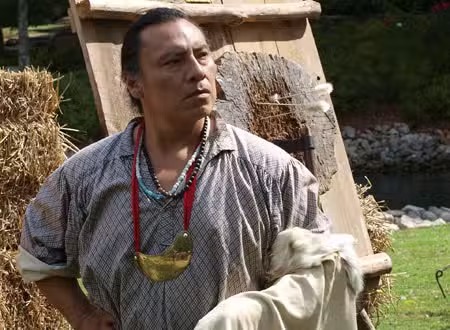
That Native history is not simply a chapter that ended when settlement expanded. Each year, Tuscumbia's Oka Kapassa — Return to Cold Water festival brings Native people and visitors together at Spring Park for a celebration of Native American heritage in northwest Alabama. Dance, music, storytelling, crafts, and cultural traditions give visitors a chance to encounter a living heritage that reaches much farther back than the county itself.
European-American communities grew around many of the same transportation corridors. The Town of Leighton was first known as Crossroads, a name that tells you almost everything you need to know about why the settlement developed there. Tuscumbia grew quickly beside the river and the routes feeding into it.
The railroad became another answer to the old Muscle Shoals problem. In 1832, the Tuscumbia Railway Company opened a line connecting Tuscumbia with the Tennessee River. By 1834, the route was extending eastward toward Decatur, allowing travelers and freight to move around the roughest portion of the shoals.
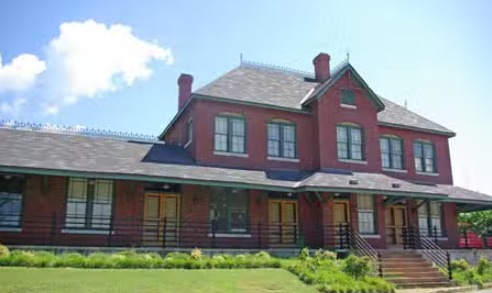
Rail travel remained part of local life long after those first experiments. The restored 1888 Tuscumbia Railway Depot still stands today as a museum. Among its most famous passengers was Helen Keller, the Tuscumbia-born author and advocate who lost her sight and hearing as a young child and later became known around the world. Keller and her teacher, Anne Sullivan, used the depot during journeys between Tuscumbia and the Northeast as Keller's education and public life carried her far beyond her childhood home.
Drive through the county today and much of that old pattern is still visible. Towns, roads, rail corridors, river crossings, and industrial sites grew where they did for reasons. This has always been a place where geography forced people to think about how to get from here to there.
War, Reconstruction, and a New County
During the Civil War there was no Colbert County. This land was still part of Franklin County, and the war moved through a landscape whose railroad, river, roads, farms, and divided loyalties made it strategically important.
Northwest Alabama was never politically simple. Confederate soldiers came from these communities, but so did Union soldiers, guides, deserters, and families whose loyalties did not fit neatly into one camp. Armies moved through the Tennessee Valley, railroads became military targets, and the war reached homes far from the famous battlefields.
Out of the unsettled years that followed came Colbert County. Alabama lawmakers created the county from northern Franklin County in 1867. Later that same year, the act was repealed and the new county disappeared from the legal map. In 1870, Colbert County was permanently reestablished.
It gives the county one of Alabama's stranger origin stories: created, abolished, and created again within only a few years.
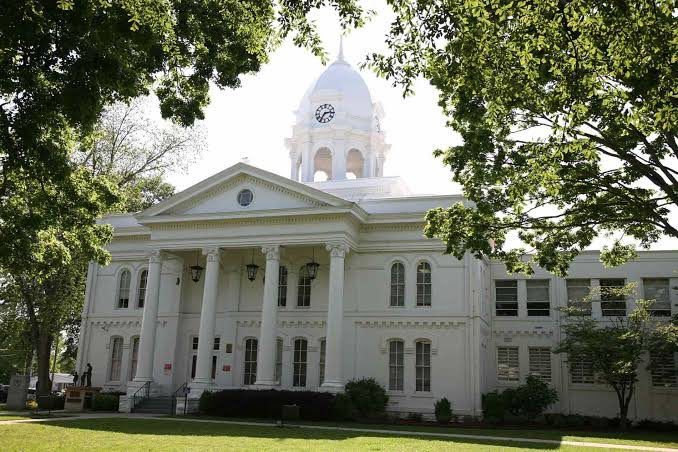
The Colbert County Courthouse
As the new county took shape, the courthouse became its civic center. A county is an idea on a map until people need a place to record deeds, hear cases, certify elections, collect taxes, and conduct public business. In Colbert County, that place became the courthouse square in Tuscumbia.
Construction on the courthouse began in 1881 and was completed in 1882. Much of it was damaged or removed in 1908, although portions of the old brick walls survived. The courthouse was rebuilt in 1909, when its familiar clock tower was added.
A north wing followed in 1948. Another major expansion began in 1974 and was completed in 1975. More than a century after the first courthouse rose there, the building still anchors downtown Tuscumbia and remains one of the clearest places to see the county's history standing in the present.
When the River Changed

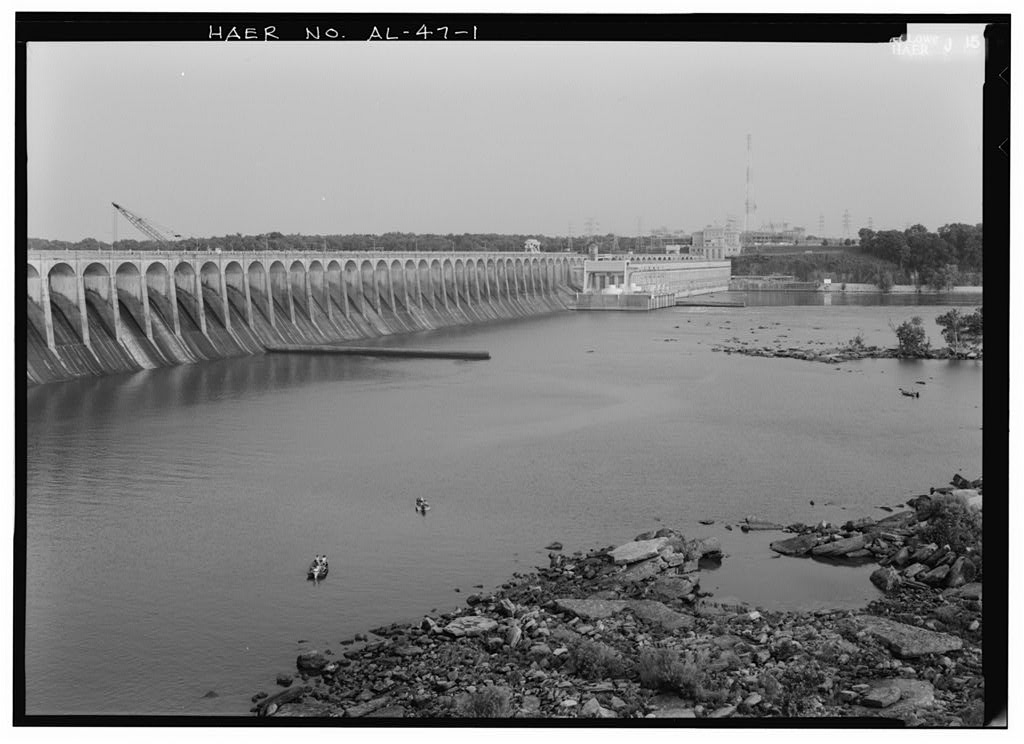
By the twentieth century, people had spent generations trying to work around Muscle Shoals. Wilson Dam represented something different. Instead of finding another way around the river, engineers would change the river itself.
Construction began during World War I as part of a massive federal project tied to navigation, power, and nitrate production. Completed during the 1920s, Wilson Dam became one of the defining structures of the Tennessee Valley.
Wilson Dam transformed the Tennessee River at Muscle Shoals. The old navigation barrier became part of a managed river system, while hydroelectric power and industrial development helped reshape the economy of the Shoals.
Stand beside Wilson Lake today and the change can be easy to forget. The water looks broad and calm, the dam looks as though it has always been there, and boats travel a river that generations once struggled to pass.
The river had always shaped Colbert County. Wilson Dam marked the point when people dramatically reshaped the river.
A Place the World Heard

Colbert County eventually became known for something that had nothing to do with getting boats around rapids: a sound.
During the twentieth century, studios in Muscle Shoals and Sheffield drew singers, songwriters, producers, engineers, and musicians from across the country. FAME Recording Studios became one of the landmarks of what the world came to call the Muscle Shoals sound.
One of the voices that helped announce the Shoals to the world was already from here. Leighton native Percy Sledge recorded When a Man Loves a Woman in Sheffield in 1966. The song became an international hit and proved that a record made in a small northwest Alabama city could travel just as far as one made in Nashville, Memphis, Detroit, or New York.
More artists followed. Soul, rhythm and blues, rock, country, and pop records passed through local studios, backed by musicians whose playing became part of the sound itself.
That is part of what makes the music story here so interesting to visit. These are ordinary streets, modest studio buildings, and working communities beside the Tennessee River where extraordinary records happened.
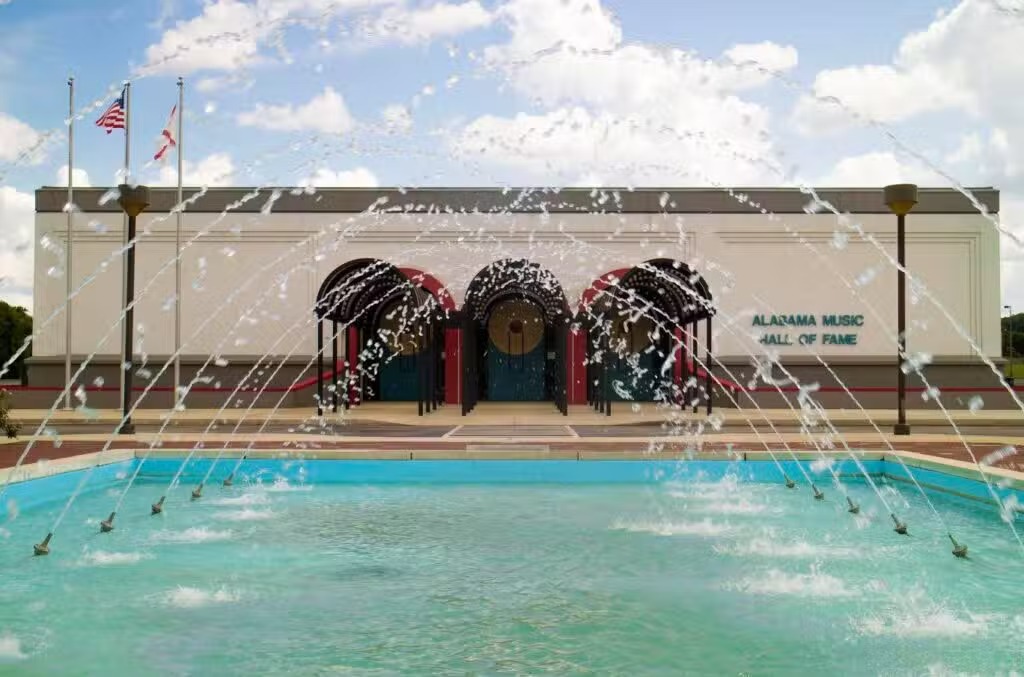
Visitors can still see the studios where records were made and explore the Alabama Music Hall of Fame in Tuscumbia, where the wider story of Alabama's musicians and musical influence is preserved.
A Life That Reached the World
Another Colbert County story traveled even farther.
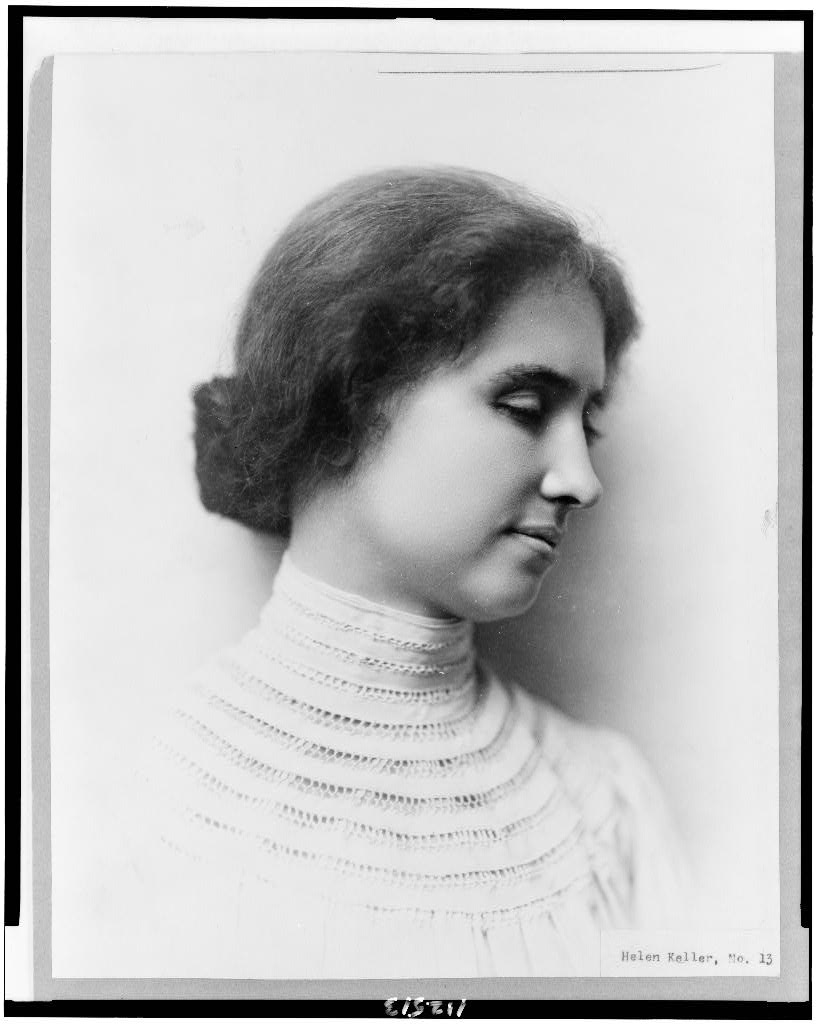
Helen Keller was born at Ivy Green in 1880. Most people know the childhood story: illness left her unable to see or hear, Anne Sullivan came to Tuscumbia as her teacher, and the breakthrough at the water pump became one of the most familiar scenes in American biography.
But stopping at the pump misses most of Keller's life. She became an author, lecturer, advocate, and international public figure. She traveled widely, wrote books and essays, met presidents and world leaders, and spent decades speaking about disability and other social issues.
Visitors come to Ivy Green because they know the famous story, but what makes Tuscumbia unusual is that the story is not separated from its setting. You can still visit Ivy Green, walk the grounds, see the home where Keller was born, and stand beside the pump associated with her breakthrough.
The story also returns to those grounds through productions of The Miracle Worker. Seeing the play in the place where the real events began gives a familiar story a very different sense of scale.
From the River to the Hills


More Than One Story
The famous stories are only part of Colbert County. Cherokee, Leighton, Littleville, Muscle Shoals, Sheffield, and Tuscumbia share the county with farms, creeks, wooded ridges, old roads, small communities, cemeteries, churchyards, and family places that may never appear on a tourist map.
The landscape changes quickly. Along the Tennessee River, the country opens wide. Around the Shoals cities, transportation and industry are never far away. Move west and south and the county becomes quieter, hillier, and more wooded.
The river that once frustrated travelers is now one of the county's great outdoor attractions. Fishing, boating, paddling, parks, boat ramps, overlooks, and miles of shoreline give people plenty of reasons to spend a day on the water.
Two county parks make that especially easy. Rose Trail Park offers riverfront recreation in the Shoals, while Alloys Park provides another county-run place for boating, fishing, camping, and time on the water.
Away from the river, Cane Creek Canyon offers a landscape of forest, rock walls, streams, waterfalls, and trails. Around Wilson Dam, TVA trails and walking areas let visitors experience the river country from the woods instead of a boat.
Western Colbert County has also long been hunting country. The Freedom Hills Wildlife Management Area preserves a broad stretch of wooded uplands and wildlife habitat and remains part of a landscape where hunting traditions are still very much alive.
That variety is part of the county's character. You can spend a morning inside a recording studio or historic home and the afternoon fishing, hiking, hunting, paddling, or driving a quiet road through the hills.
A Place Unlike Any Other
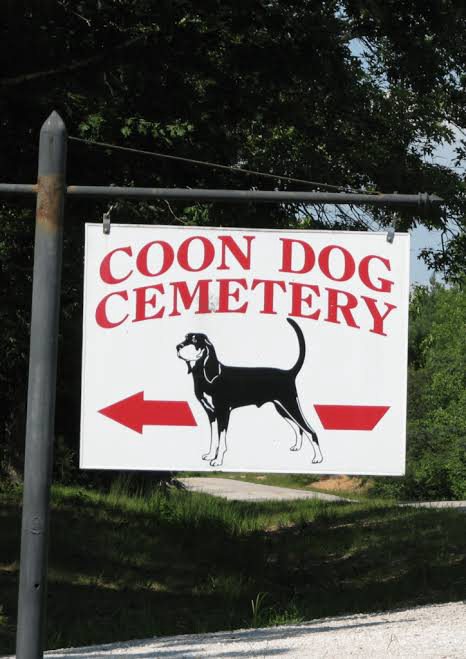
One of the county's most memorable places grew directly out of that hunting country.
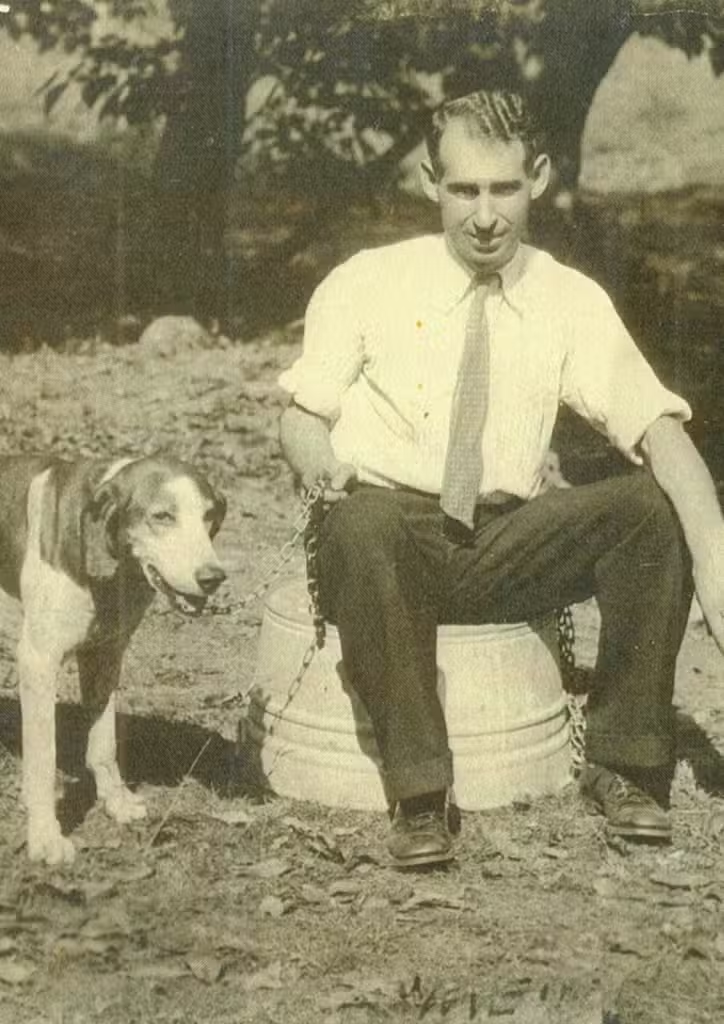
The Key Underwood Coon Dog Memorial Graveyard began in 1937, when local hunter Key Underwood buried his coonhound Troop at a favorite hunting camp in the hills near Cherokee. Other hunters eventually asked to bury their dogs there too.
What began with one grave became a cemetery unlike almost anywhere else in the country. Hundreds of coonhounds now rest there beneath polished monuments, hand-cut stones, homemade markers, and epitaphs that can be funny, plainspoken, sentimental, or all three at once.
Today the cemetery lies within the Freedom Hills Wildlife Management Area. The surrounding woods are not scenery added later; hunting country is the reason the cemetery exists in the first place.
Spend a little time there and it becomes more than a curiosity. It is a record of hunting tradition, companionship, and the affection people had for animals that shared countless nights in the woods with them.
Wilson Dam changed a river. Muscle Shoals changed popular music. Helen Keller carried a Tuscumbia story around the world. And in the hills near Cherokee, hunters built a cemetery for the dogs they never forgot.
The stories are still here — in the river, the courthouse square, the railway depot, the studios, Ivy Green, Spring Park, the woods, and the communities between them.
Come see where they happened.
Planning a visit? Explore more places to see through Colbert County Tourism.